Using TENS for Back Pain Relief
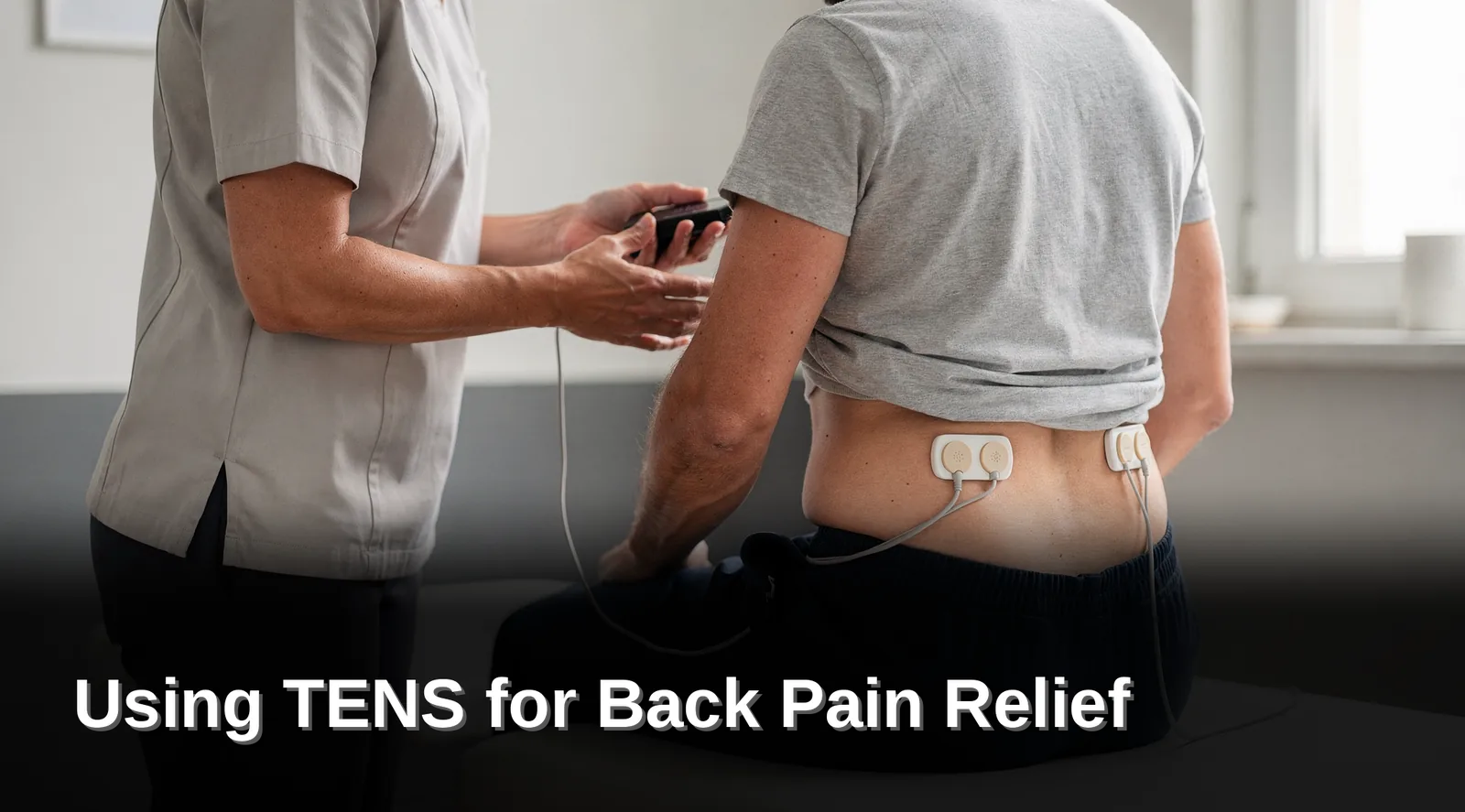
Using TENS for Back Pain Relief
A TENS unit delivers controlled electrical stimulation to block pain signals and release endorphins, offering drug-free relief for acute or chronic back pain. Tens Products Ltd supplies clinically approved TENS machines with medically researched programmes, helping customers manage muscle tension and sciatica safely at home without medication.
Key Takeaways
- TENS machines deliver low-voltage electrical impulses through electrodes to block pain signals before reaching the brain.
- Correct electrode placement on either side of the spine targets the pain source directly for effective relief.
- Drug-free TENS therapy eliminates systemic side effects and dependency risks associated with medication-based pain management.
- Clinically approved TENS devices with medically researched programmes provide consistent electrical output throughout each treatment session.
What is a TENS machine and how does it relieve back pain?
A TENS machine is a battery-powered device that delivers low-voltage electrical impulses through electrodes placed on the skin. These impulses target nerves beneath the surface to block pain signals before they reach the brain. The therapy changes how the body perceives discomfort. Transcutaneous electrical nerve stimulation is a therapy that uses a low-voltage electrical current to block pain or change a person's perception of it.
Back pain often triggers a protective response called muscle guarding. Muscles surrounding the painful area tighten to immobilize it. This tightening impairs circulation. Reduced blood flow then traps waste products in the tissue, which intensifies the pain. The cycle feeds itself. TENS pain relief devices help break this cycle by sending gentle electrical impulses through the skin to the nerves beneath. Restoring normal muscle function and blood flow becomes possible once the signal loop is interrupted.
How does a TENS unit block back pain signals?
A TENS unit uses electrodes placed at or near trigger points on the back. These electrodes deliver electrical impulses through the surface of the skin. The impulses travel along nerve pathways and effectively jam pain messages at the spinal cord level. The brain receives fewer distress signals. Many users report noticeable relief within minutes of starting a session.
What makes TENS therapy different from pain medication?
TENS therapy provides a drug-free alternative for managing back pain. No pills enter the bloodstream. No systemic side effects occur. Tens Products Ltd, a specialist retailer with over 20 years of experience in electrotherapy healthcare solutions, focuses exclusively on non-pharmacological pain relief. The approach suits individuals seeking safe, repeatable treatment they control themselves. Sessions can be adjusted for intensity and duration without risk of dependency or tolerance buildup.
What do you need before using a TENS machine for back pain?
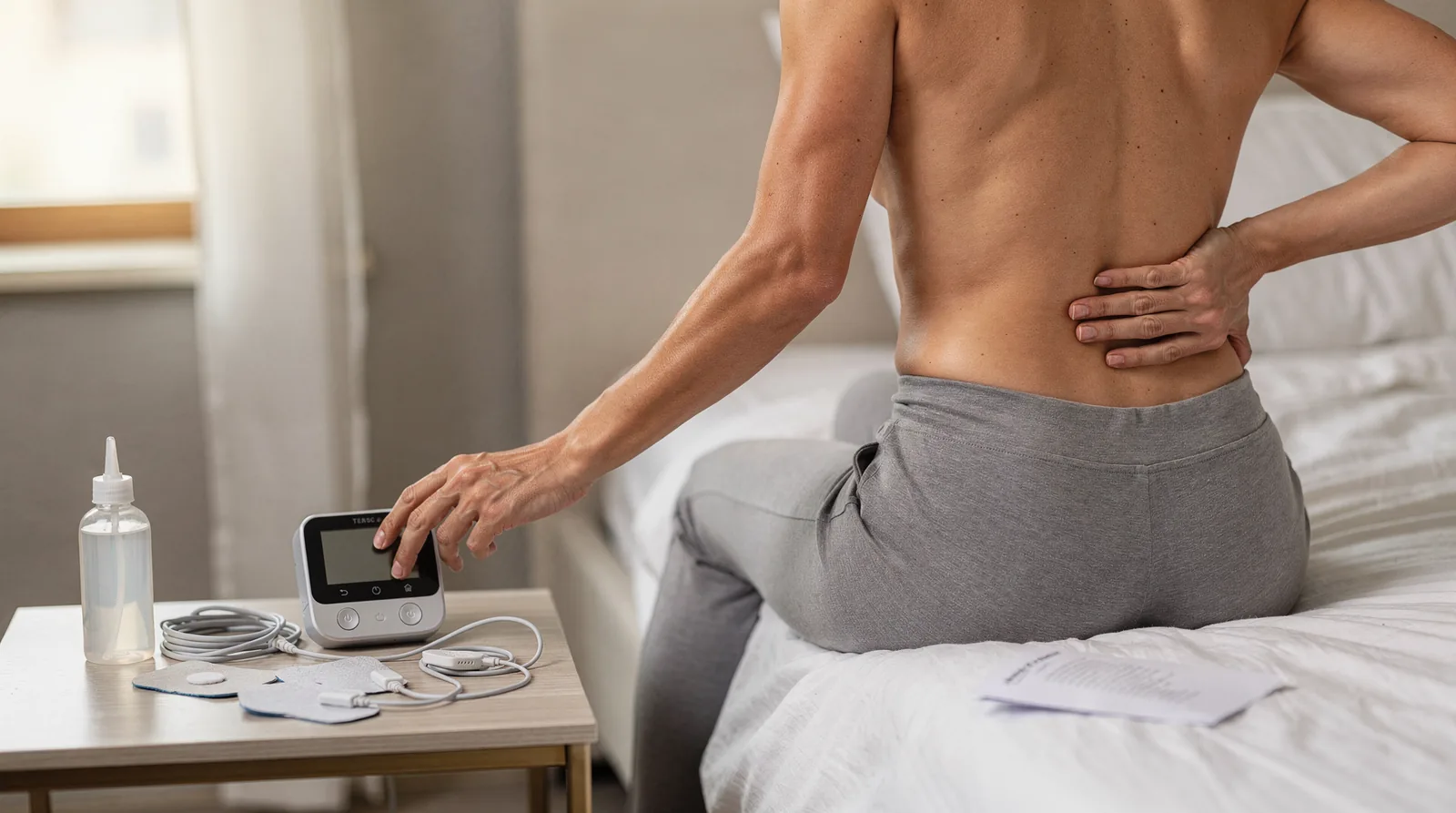
Preparation determines whether using TENS for back pain relief succeeds or fails. A clinically approved device, the right electrodes, and correct placement knowledge form the non-negotiable foundation. Skipping any of these elements wastes time and prolongs discomfort.
What type of TENS machine works best for back pain?
Tens Products supplies clinically approved TENS machines in dual and four-channel formats. Dual-channel units handle localized lower back pain effectively. Four-channel models cover broader areas, such as pain radiating across the entire lumbar region or into the hips. A clinically approved device ensures safety standards are met and electrical output remains consistent throughout each session.
Which accessories are essential before starting treatment?
Standard and wireless TENS electrodes rank among the most critical accessories. Tens Products offers both types, along with essential accessories that ensure consistent performance and convenience. Standard electrodes provide reliable adhesion for stationary sessions. Wireless electrodes eliminate cable management, granting freedom to move during treatment. Without fresh, high-quality electrodes, signal transmission weakens and pain relief becomes inconsistent.
Where should the electrodes be placed for back pain?
Correct placement targets the source of discomfort directly. A provider places the electrodes at or near trigger points or affected nerves. For lower back pain, this typically means positioning pads on either side of the spine, never directly on the vertebrae. Muscle knots and tight bands respond best when electrodes flank the painful area. Incorrect placement delivers stimulation to healthy tissue while the injured site receives no benefit.
How quickly can someone start treatment after ordering?
Tens Products emphasizes fast dispatch and transparent delivery information. Orders process promptly, minimizing the gap between purchase and first use. Clear shipping timelines let customers plan their pain management routine without uncertainty. Delayed delivery means more days spent managing back pain through less effective methods.
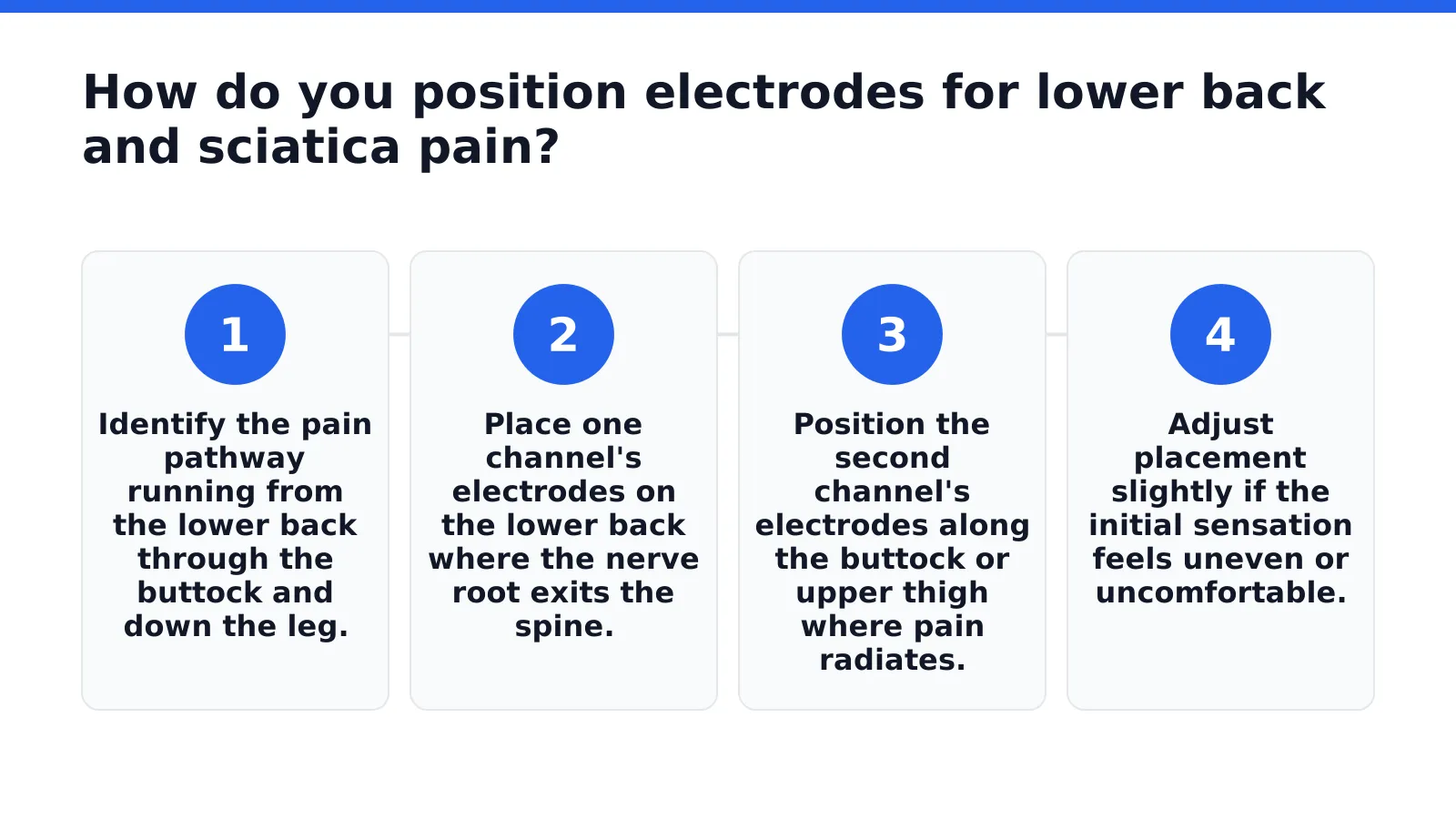
How do you position electrodes for lower back and sciatica pain?
Electrode placement targets the pain source directly. A provider places electrodes at or near trigger points or affected nerves for lower back and sciatica relief. Incorrect positioning delivers weaker results and prolongs discomfort.
What is the best electrode placement for lower back pain?
Place electrodes on the skin at or near the source of the pain. Target the lower back muscles on either side of the spine. When the body experiences pain or injury, muscles surrounding the area tighten to immobilize it. This process, known as muscle guarding, impairs circulation and reduces blood supply. Electrode placement should target the tightened area to help restore blood flow and break the pain-spasm cycle.
How do you position electrodes for sciatic nerve pain?
Follow these numbered steps for sciatica relief:
- Identify the pain pathway running from the lower back through the buttock and down the leg.
- Place one channel's electrodes on the lower back where the nerve root exits the spine.
- Position the second channel's electrodes along the buttock or upper thigh where pain radiates.
- Adjust placement slightly if the initial sensation feels uneven or uncomfortable.
Using a dual or four-channel machine allows coverage of a wider area of the back simultaneously. Tens Products supplies clinically approved TENS machines in dual and four-channel formats for this purpose. The company also offers wireless TENS options in single and dual-channel variants. Wireless units eliminate cord management during placement adjustments. Flexible placement options help clients target both the lumbar origin point and the radiating nerve pathway without repositioning pads repeatedly.
What settings and programs should you use for back pain relief?
Clinically approved TENS units deliver medically researched programs designed specifically for effective back pain relief. Tens Products supplies CE certified devices with pre-set programs that target different pain patterns and muscle groups. Without the correct program selection, users lose hours of potential relief and risk suboptimal electrode placement for their specific back condition.
Using TENS for Back Pain Relief requires matching the device settings to the type and location of discomfort. Acute lower back strain responds differently than chronic sciatica or deep muscle tension. The wrong frequency wastes a session entirely.
How do you choose between continuous and burst mode for back pain?
Continuous mode delivers steady pulses suited for acute, sharp back pain. Burst mode sends intermittent pulses that work better for deep, chronic muscle aches. Most users start with continuous stimulation and switch to burst if the relief fades after 20 minutes.
What intensity level works best for lower back pain?
Start at a low intensity and increase gradually until a strong but comfortable tingling sensation develops. TENS therapy works well for many people, though researchers still study exactly why individual responses vary. The sensation should feel pronounced without causing muscle contraction or discomfort.
Follow these steps to set up a back pain session:
- Clean and dry the skin over the painful area before attaching electrodes.
- Select a program labeled for back pain or continuous relief on the device.
- Begin at the lowest intensity setting and slowly raise the output.
- Stop increasing intensity when the tingling feels strong yet entirely comfortable.
- Run the session for 20 to 30 minutes and reassess pain levels afterward.
Tens Products engineers its devices for intuitive operation, making program selection straightforward even during a first at-home session. The technology stimulates the body's own endorphins, natural painkillers that ease discomfort while increased blood flow accelerates recovery. A properly chosen program turns a 30-minute session into hours of meaningful relief.
What mistakes should you avoid and when should you seek help?
Proper electrode placement prevents harm and maximizes relief. A TENS unit delivers electrical impulses through surface electrodes, so placement errors carry real risks. Avoid placing electrodes over broken skin, near the eyes, or on the front of the neck. These areas are sensitive and vulnerable to unintended stimulation.
What placement mistakes cause the most problems?
Follow these numbered steps before every session:
- Inspect the skin where electrodes will sit. Broken or irritated skin must never receive direct electrode contact.
- Keep electrodes away from the eyes and the front of the neck. Electrical current near these regions risks serious complications.
- Check that each electrode adheres fully to clean, dry skin. Worn or peeling pads reduce therapy effectiveness.
- Replace electrodes regularly. Tens Products supplies standard and wireless TENS electrodes to maintain consistent performance.
When should someone stop using a TENS machine?
TENS therapy works well for many people, yet researchers agree results vary between individuals. Research has not fully explained why some users respond better than others. A person whose pain persists or worsens should not rely solely on the device. Consulting a healthcare professional for a proper diagnosis becomes essential. Tens Products offers simple returns and accessible support for customers with questions about their device.
FAQ
What is a TENS machine and how does it relieve back pain?
A TENS machine delivers low-voltage electrical impulses through electrodes to block pain signals before they reach the brain and release endorphins for drug-free relief.
Conclusion
A TENS machine for back pain works by delivering low-voltage electrical impulses through electrodes placed on either side of the spine, blocking pain signals and releasing the body's own endorphins for drug-free relief. Correct electrode placement targets the muscle guarding cycle directly, while clinically approved devices with medically researched programmes keep electrical output consistent across continuous and burst modes. Matching intensity, session length, and program selection to the specific type of back pain, whether acute strain or chronic sciatica, turns a 20 to 30-minute session into lasting comfort without medication's risks. For those ready to manage their back pain safely at home, Tens Products' range of clinically approved TENS machines offers a practical starting point.