Safe Use of TENS Machines UK: Medical Guidelines and Practical Tips for Electrical Stimulation Therapy
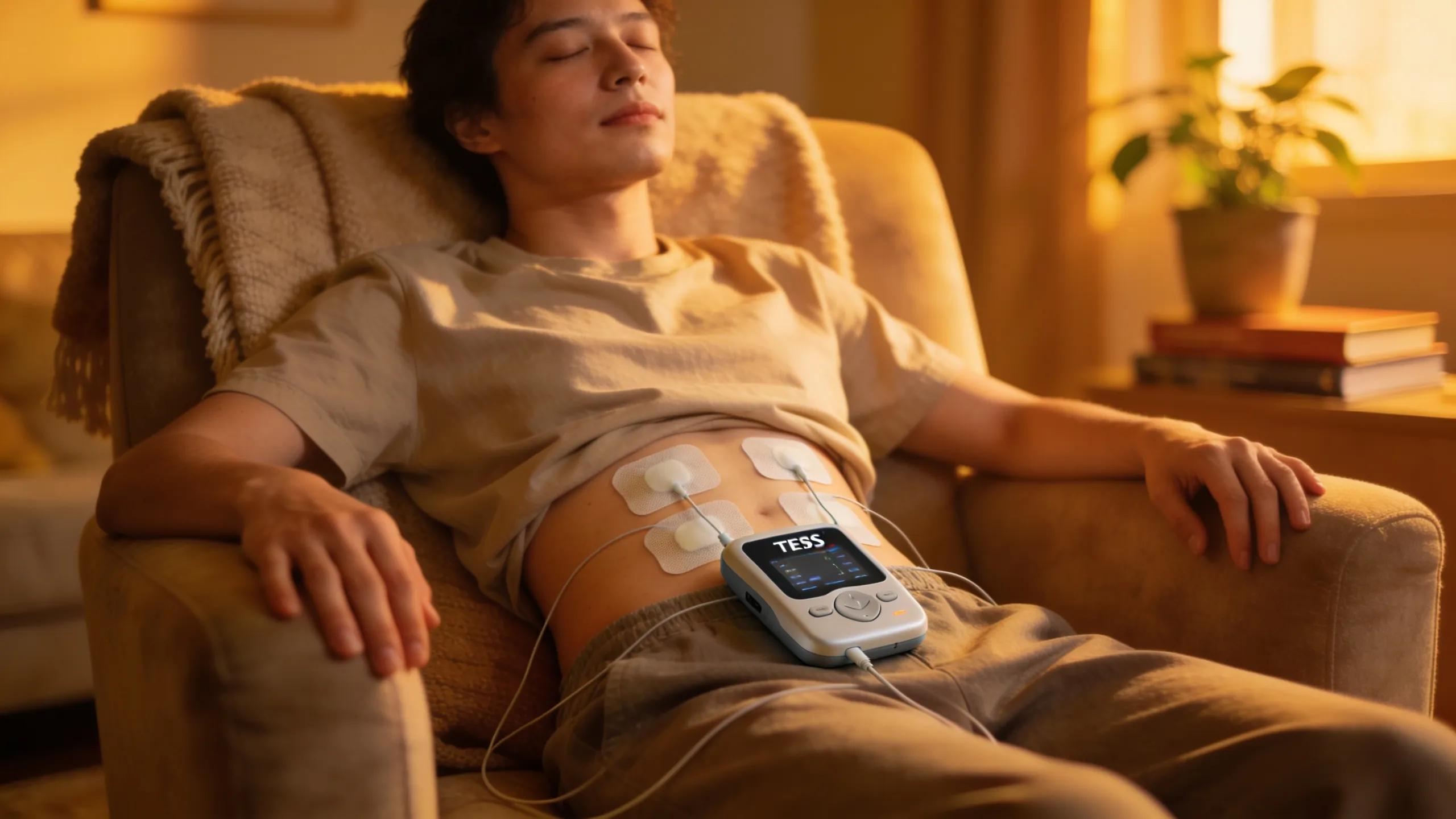
Safe Use of TENS Machines UK: Medical Guidelines and Practical Tips for Electrical Stimulation Therapy
By Paul Warburton, Tens Products Ltd
Transcutaneous Electrical Nerve Stimulation (TENS) machines have emerged as a popular option for managing pain without medications, appealing to those seeking drug-free alternatives. Many individuals are unfamiliar with the safety guidelines and medical recommendations that accompany the use of TENS therapy. This introductory article aims to illuminate the core principles of TENS use, guiding readers through essential safety guidelines, proper usage definitions, and precautions necessary to ensure effective and safe treatment.
Pain management through TENS therapy involves understanding its mechanics and the contexts in which it can be safely applied. Readers will learn about critical considerations for the use of TENS machines in both clinical and home settings, as well as common contraindications and potential side effects. The following sections cover the fundamental aspects of TENS therapy to equip users with the knowledge needed for safe operation and effective pain relief.
Key Takeaways
- Always consult a healthcare professional before starting TENS therapy, especially with pacemakers, epilepsy, or during pregnancy.
- Prepare the skin properly and take scheduled breaks during sessions to avoid irritation.
- A typical TENS session lasts 20 to 60 minutes, with intensity adjusted to comfort under guided conditions.
- Correct electrode placement, tailored to the pain region, is critical for both safety and effectiveness.
- Regularly inspect TENS devices and electrodes for wear, and replace electrodes on a consistent schedule.
- Stay informed through the NHS, pain management associations, and your healthcare provider for the latest safety guidance.
Essential Safety Guidelines:
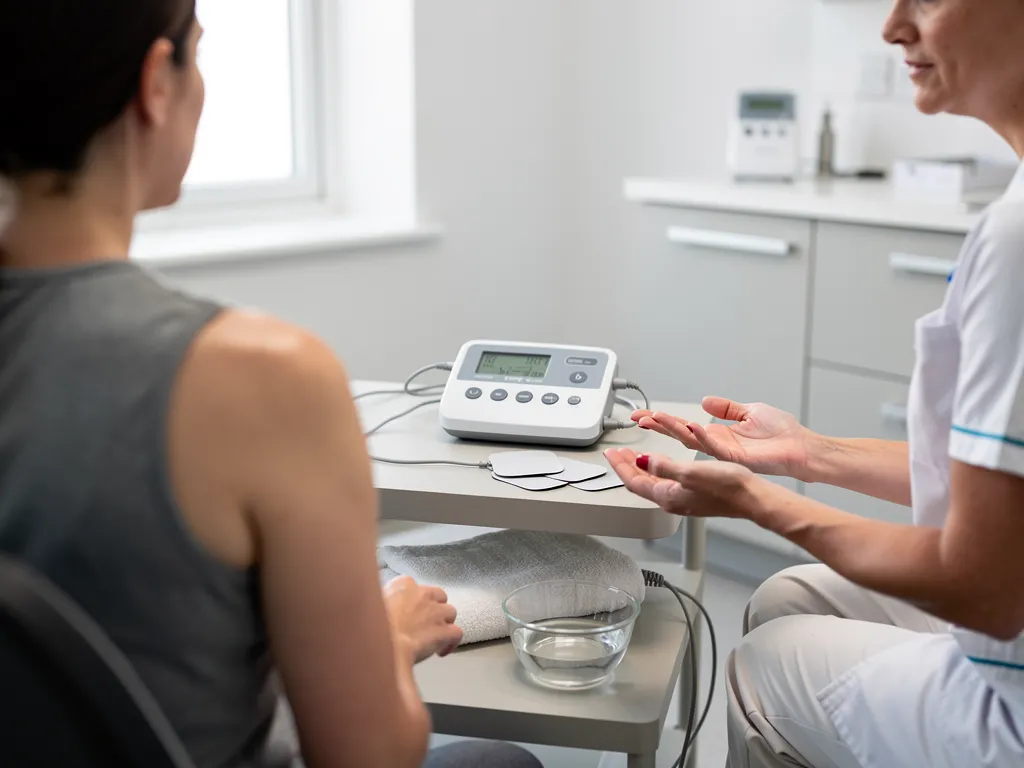
Ensuring the safe use of TENS machines involves several essential guidelines. It is imperative for users to consult with healthcare professionals before commencing treatment. This helps to identify any underlying medical conditions that may contraindicate TENS therapy.
- Skin Preparations: Users should cleanse the skin where electrodes will be applied, ensuring that it is free from oils, lotions, and other products that could interfere with electrode adhesion.
- Frequency of Use: TENS machines should not be used continuously for prolonged sessions; scheduled breaks are recommended to prevent skin irritations and other complications.
Incorporating quality TENS devices, such as those offered by TENS Products, can enhance the safety experience when adhering to these guidelines.
To better understand how these devices function as a non-pharmacologic alternative, consider recent findings on electrical stimulation mechanics:
Non-Invasive Electroceuticals and Electrical Stimulation for Pain Management Electroceuticals offer a non-pharmacologic alternative by modulating neural pathways through electrical stimulation, but current invasive systems require surgery and clinical supervision, whereas non-invasive devices suffer from poor therapeutic efficacy caused by unstable skin-electrode impedance. Wireless IoT-enabled microneedle electroceutical for personalized and connected pain management, 2026
Precautions for Patients:
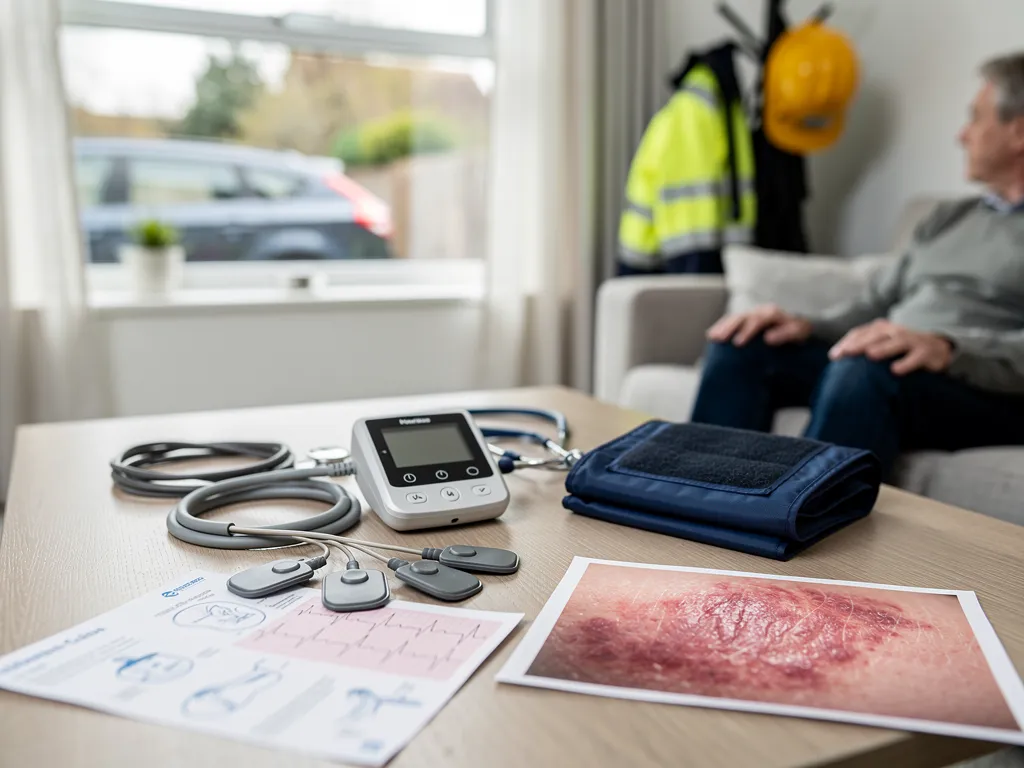
Before utilising TENS therapy, patients should be aware of specific precautions essential for safe operation. Recognising when to avoid use of TENS machines can prevent injuries and complications.
- Medical Conditions: Certain conditions, including cardiac disturbances and skin infections, necessitate avoiding TENS therapy.
- Device Restrictions: Patients should refrain from using TENS devices while driving or operating machinery, as electrical stimulation may distract or impair reaction times.
- Consultation Necessity: Prior consultation with a healthcare provider is crucial for individuals with pacemakers or any implanted medical devices.
These precautions highlight the need for informed usage, ensuring that TENS therapy is approached carefully and effectively.
Proper Usage Definitions:
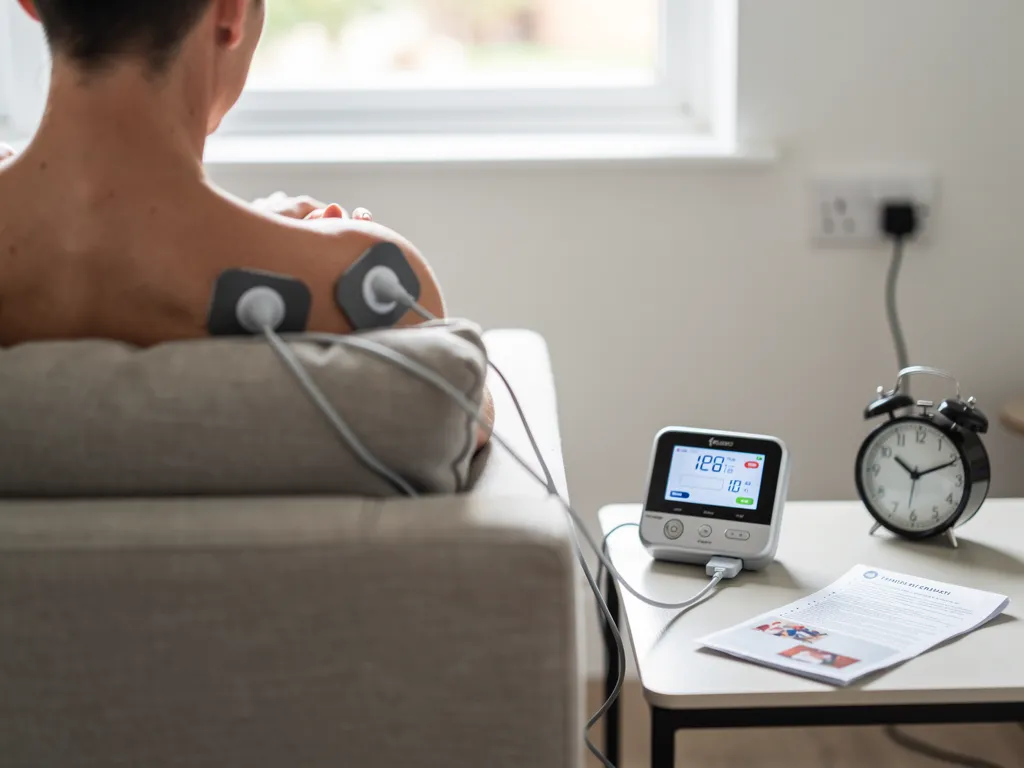
Proper usage of TENS machines is defined by their operation in alignment with medical guidelines to optimise pain management effectively.
A typical TENS session may last between 20 to 60 minutes, depending on the individual's needs and the specific pain area targeted. Adjustable intensity settings allow users to tailor the sensation of stimulation to comfort, providing flexibility during treatment.
Additionally, frequency of use should follow recommendations provided by healthcare professionals, generally suggesting sessions multiple times per day under guided conditions to maximise relief without adverse effects.
Examining the core parameters of electrical stimulation can further clarify how these treatment sessions should be configured:
Understanding TENS Parameters: Frequency, Pulse Width, and Intensity Transcutaneous Electrical Nerve Stimulation (TENS) delivers low-level electrical pulses through electrode pads placed on the skin. 3 core parameters define the character of that stimulus. Frequency sets the number of electrical pulses delivered per second, measured in hertz (Hz). Pulse width controls how long each individual pulse lasts, measured in microseconds (µs). Intensity determines the strength of the electrical current delivered, measured in milliamps (mA). Together, these 3 values determine which nerve fibres are activated, through which physiological pathway, and how the body responds to the therapy. TENS Parameters Explained: Frequency, Pulse Width, Intensity
Key Contraindications:
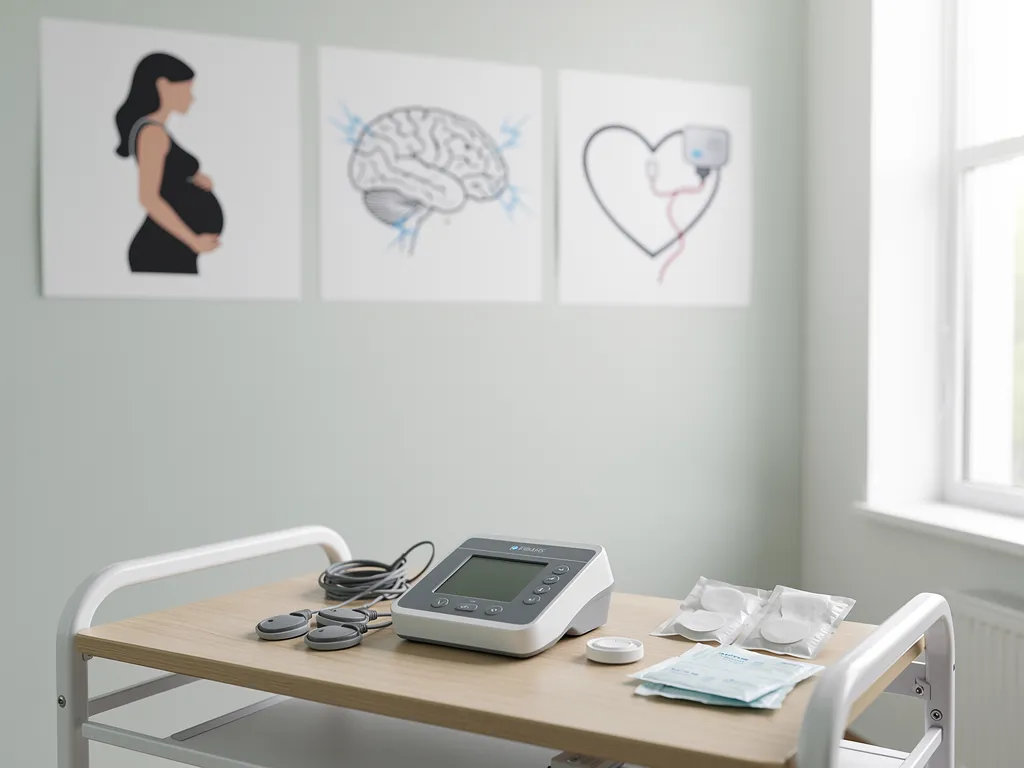
There are specific contraindications to consider when using TENS machines, aiming to safeguard users.
| Medical Condition | Reason | Recommendation |
|---|---|---|
| Pregnancy | Potential risks to fetal health | Consult healthcare provider before use |
| Epilepsy | Risk of seizure activity | Avoid usage without medical guidance |
| Cardiac pacemaker | Interference with device function | Do not use without first consulting a physician |
Understanding these contraindications is essential for any TENS user to consider before initiating therapy.
Recognised Side Effects and Risks:
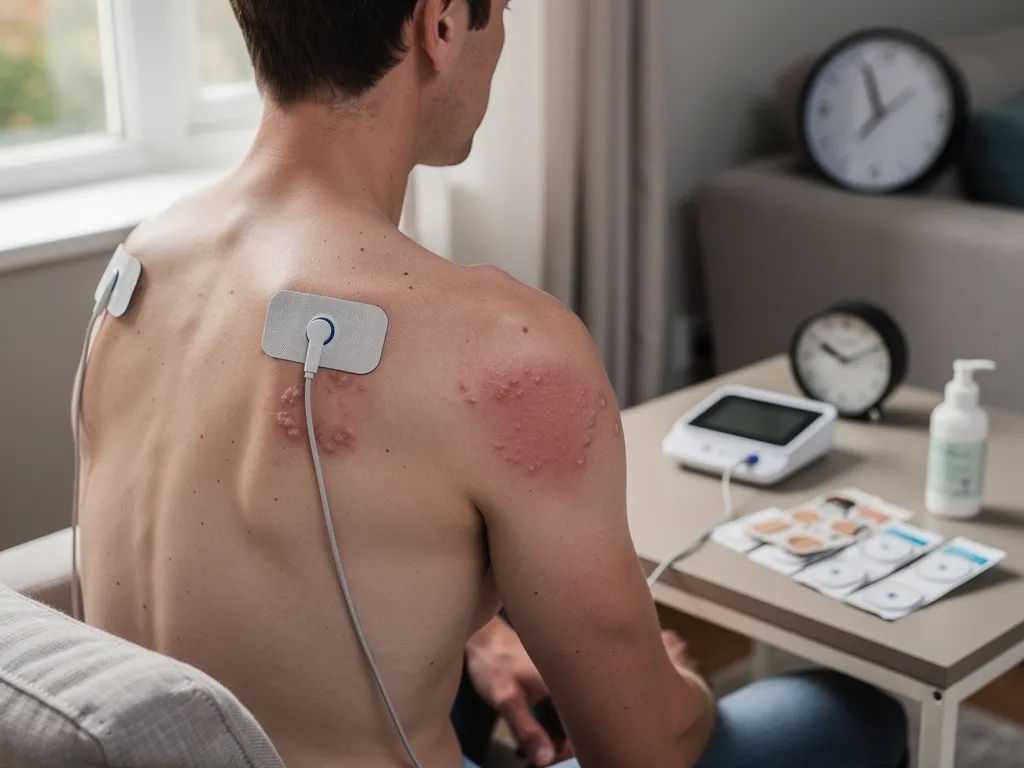
Utilising TENS therapy can lead to certain side effects, which users should be aware of for a comprehensive understanding of their treatment.
- Skin Irritation: Prolonged use or improper electrode attachment can cause skin redness or irritation.
- Allergic Reactions: Some users may experience allergies to the adhesive used in electrodes, necessitating careful monitoring.
- Effectiveness Over Time: Individuals may notice a decrease in effectiveness with prolonged use, suggesting a need to review therapy schedules periodically.
For those prone to skin irritation, the choice of conductive gel can make a real difference. Most gels contain chemicals that speed up the curing process, which can be a factor in reactions for sensitive skin. An alternative, often referred to as Blue Gel, is made from natural products and is free from these chemicals. It takes longer to cure, which usually makes it more expensive, but it is guaranteed free from skin irritation, making it a worthwhile option for users who experience sensitivity with standard gels.
Recognising these potential side effects allows for proactive management during TENS therapy.
How Do Medical Guidelines Define Proper TENS Machine Use?

Medical guidelines emphasise the importance of tailoring TENS applications to individual user needs while following certain protocols to ensure safety and effectiveness.
Key guidelines include recommendations for session length, the placement of electrodes, and monitoring for any adverse reactions during treatment. Users are encouraged to document their experiences, noting which placements provide optimal results and any accompanying side effects, fostering a comprehensive understanding of their treatment protocol.
What Are the Essential Safety Guidelines for Using TENS Machines?
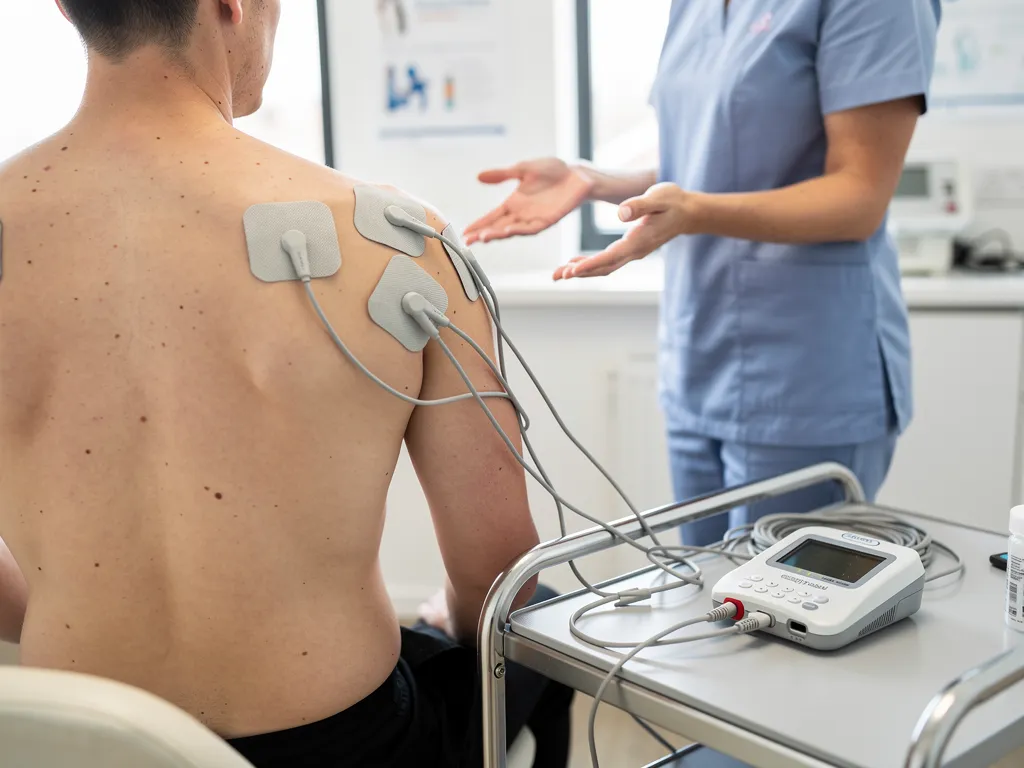
To encapsulate, essential safety guidelines for TENS therapy include:
- Prior medical consultations to establish baseline health conditions.
- Preparing the skin properly before application.
- Monitoring usage frequency and skipping treatments if skin irritation occurs.
- Keeping devices away from areas with potential contraindications.
These measures collectively enhance the safety of TENS therapy and improve user confidence.
Which Precautions Should Patients Follow for Safe Electrical Stimulation?
Patients should follow these critical precautions to maximise safety:
- Prior Consultation: Always discuss intended TENS use with a healthcare provider.
- Avoid Restricted Areas: Steer clear of applying TENS over broken skin, implants, or swollen areas.
- Device Maintenance: Ensure devices are well kept; check for any signs of wear on wires or electrodes before use.
Maintaining these precautions guarantees a safeguard against adverse effects during therapy.
How to Correctly Place Electrodes for Effective Pain Relief?
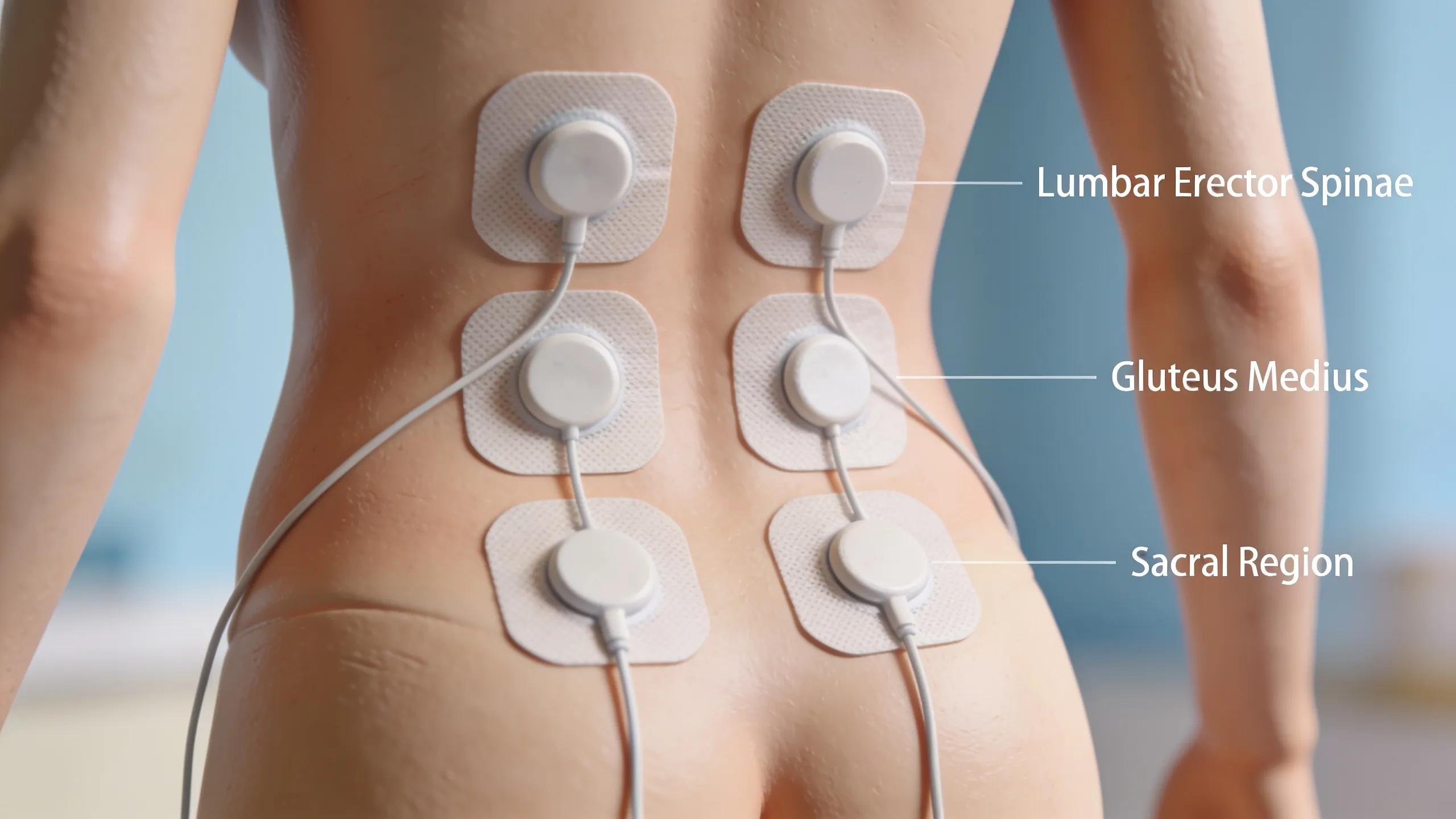
Effective electrode placement is paramount for maximising TENS therapy's benefits. This section will detail appropriate techniques.
What Are the Recommended Electrode Placement Techniques by Region?
Electrode placement varies significantly depending on the pain region targeted. Here are some basic techniques for different body areas:
- Lower Back: Place electrodes on either side of the spine, approximately 2-4 inches apart.
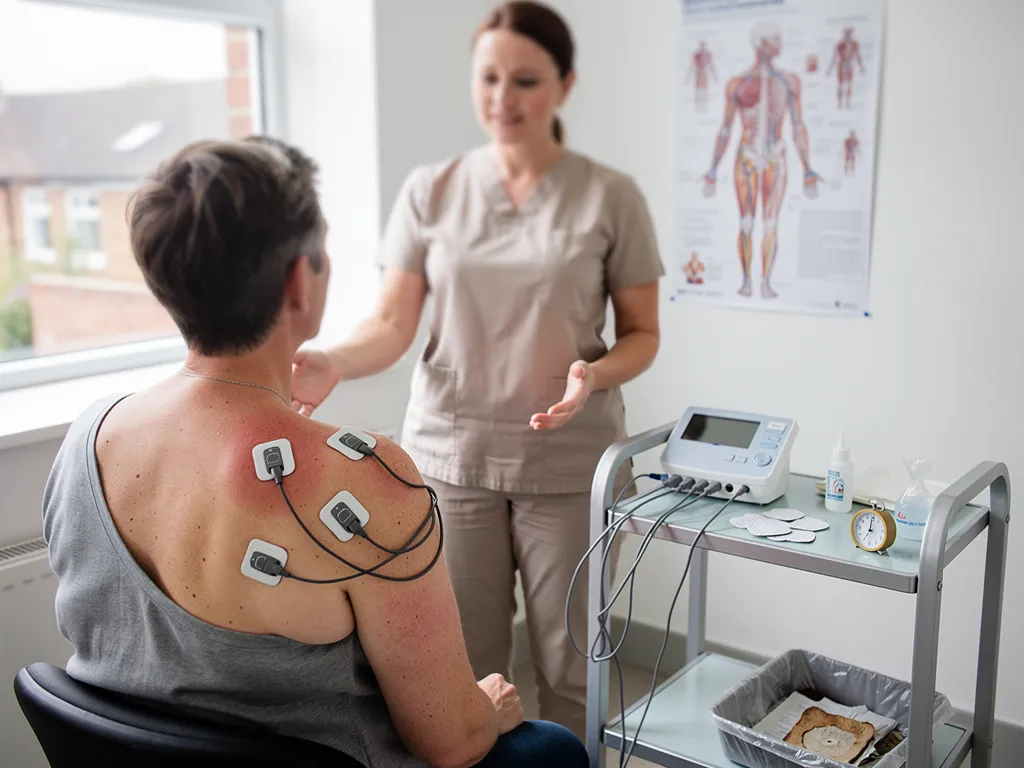
- Shoulders: Position electrodes in a triangular formation around the area of tension or pain.
- Knees: Apply electrodes above and below the kneecap for effective coverage of pain sources.
Such targeted approaches ensure that the electrical stimulation is applied where it’s most beneficial.
How Does Electrode Position Affect Treatment Efficacy and Safety?
Research indicates that the location of electrodes plays a critical role in treatment efficacy. Misplacement can lead to ineffective pain management or discomfort.
Evidence-based findings demonstrate that adhering to recommended electrotherapy placements significantly enhances relief outcomes while minimising risks. Studies suggest users document successful electrode placements to refine techniques over time, fostering higher efficiency and comfort during sessions.
Which Pain Types Can TENS Therapy Safely Treat?
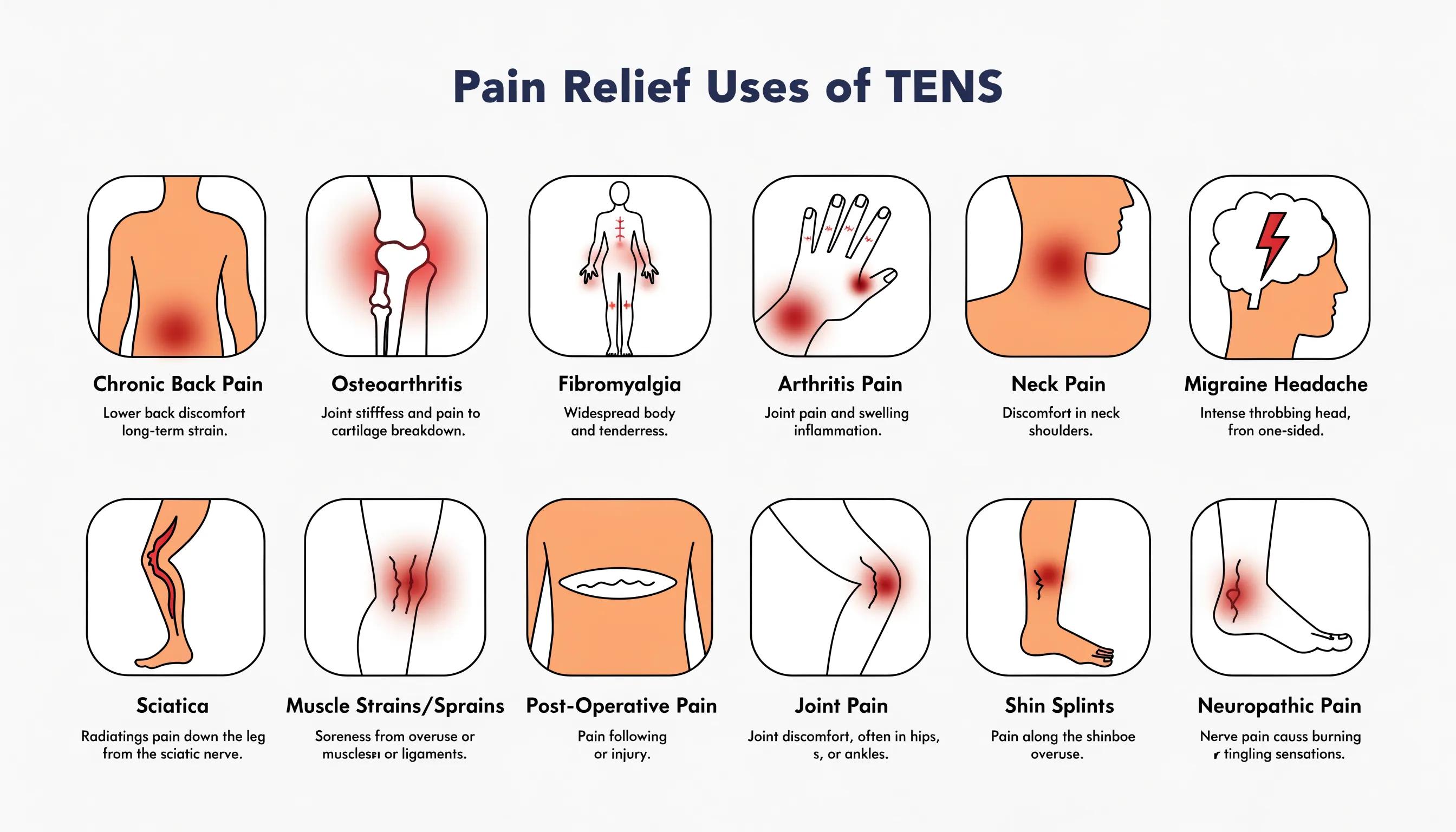
TENS therapy has shown promise in managing various types of pain. Common conditions where TENS is beneficial include:
- Chronic back pain
- Osteoarthritis
- Post-surgical pain
- Migraine and tension headaches
Each condition may respond differently to TENS, necessitating tailored approaches to optimise individual treatment plans.
What Are Common Conditions Where TENS Provides Documented Relief?
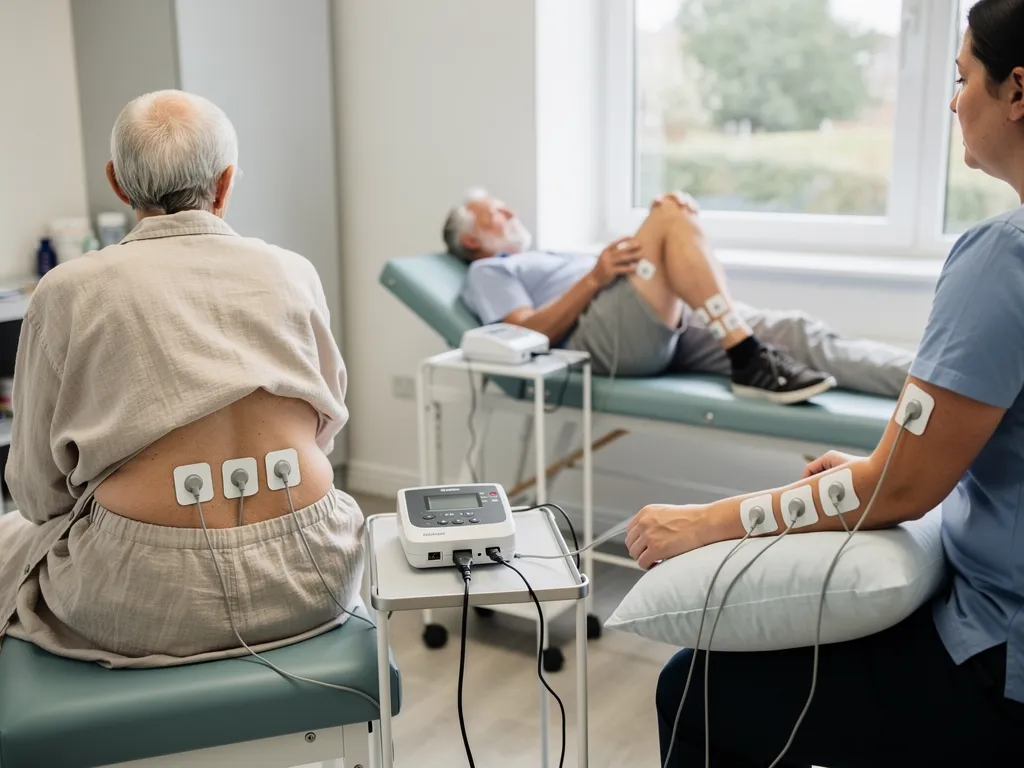
Common conditions that have yielded documented relief from TENS therapy include:
- Chronic Pain Syndromes: Numerous studies highlight its efficacy in alleviating long-standing pain conditions.
- Neuropathic Pain: TENS is often utilised in pain scenarios exacerbated by nerve damage.
- Acute Injury Pain: Post-operative patients frequently experience enhanced recovery outcomes with TENS usage.
These insights underscore the diverse applicability of TENS devices across various pain conditions.
Clinical investigations further highlight how targeted electrotherapy protocols can aid specific musculoskeletal conditions like rotator cuff issues:
TENS and Physiotherapy for Pain Relief in Rotator Cuff Tears The aim of this study was to determine the effectiveness of physiotherapeutic interventions using TENS and MENS combined with kinesiotherapy in patients with partial-thickness rotator Comparative study of pain relief in two non-pharmacological treatments in patients with partial rotator cuff tears: a randomized trial, S Vrouva, 2019
When Is Ultrasound Therapy Preferred Over Electrical Stimulation?
In certain scenarios, ultrasound therapy provides distinct advantages over TENS:
- Deep Tissue Treatment: Ultrasound delivers sound waves that penetrate deeper into the soft tissue, which may be beneficial for conditions requiring increased heat and circulation.
- Inflammation Reduction: Ultrasound is often preferable in managing swelling or inflammation, as it can enhance cellular processes at the injury site.
By understanding the strengths of both therapies, patients can make informed decisions about their pain management strategies.
| Factor | TENS Therapy | Ultrasound Therapy |
|---|---|---|
| Mechanism | Electrical pulses stimulate nerves to block pain signals | Sound waves generate heat and increase circulation in tissue |
| Depth of Effect | Works at the skin and surface nerve level | Penetrates deeper into soft tissue |
| Best Suited For | General pain relief, muscle and nerve-related pain | Inflammation reduction and deep tissue conditions |
| Typical Use | Self-administered at home or in clinic | Usually administered by a healthcare professional |
How to Choose and Use TENS Machines and Accessories Safely?
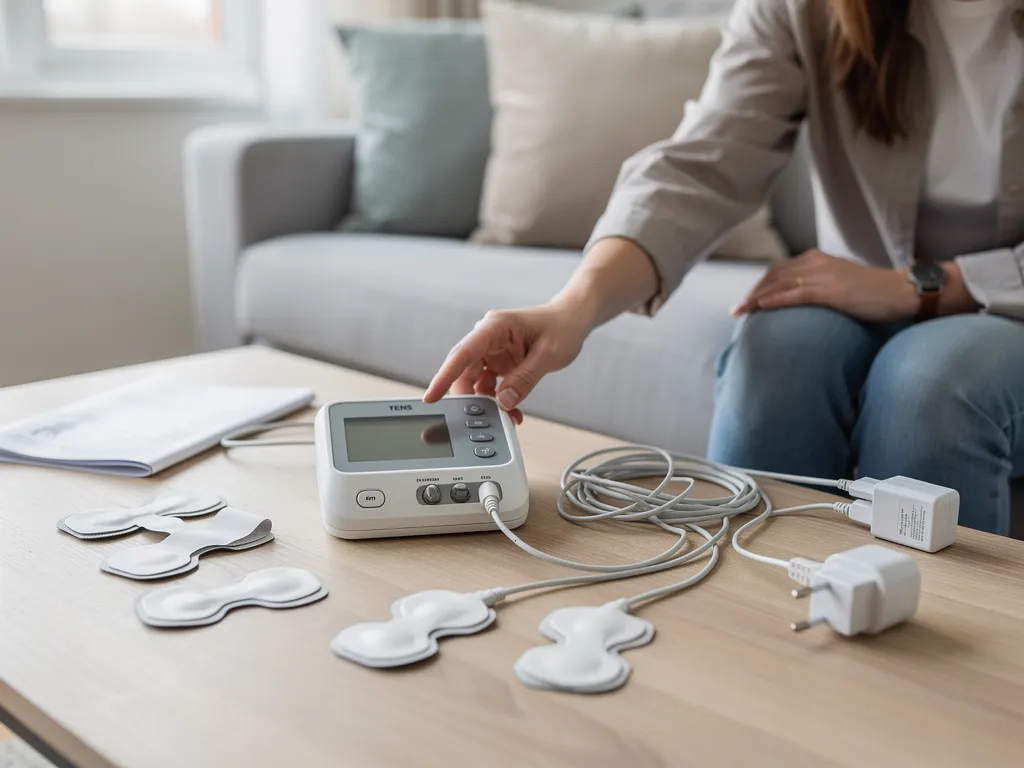
Choosing the right TENS machine involves several considerations. Users should prioritise safety and efficacy to ensure optimal outcomes.
- Selection Criteria: Look for devices that offer adjustable settings, allowing customisation for intensity and duration.
- Accessories Consideration: Opt for high-quality electrodes that are skin-friendly and offer good adhesion without causing irritation.
- Inspection for Safety: Regularly inspect TENS machines for any signs of damage or defect before use, ensuring reliability during treatment.
By adhering to these guidelines, users can confidently navigate their choices regarding TENS therapy.
Ready to Find the Right TENS Machine?
Choosing a well-made, reliable device is the first step toward safe, effective pain relief. Browse TENS Products' range of TENS machines and accessories to find a device built for comfort, safety, and long-term use.
What Features Should Buyers Look for in Medical-Grade TENS Devices?
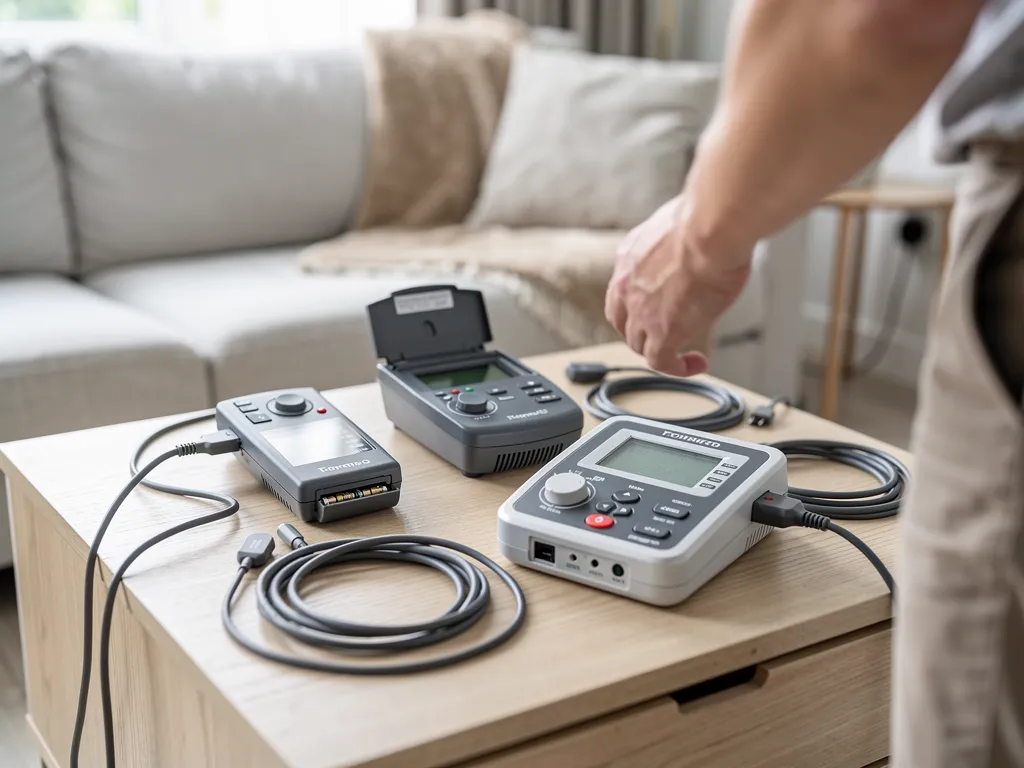
When seeking medical-grade TENS devices, consider the following features to ensure quality and safety:
- Program Variety: Devices with multiple pre-set programs can cater to various pain types and treatment preferences.
- Power Source: Battery-operated units provide portability, while plug-in devices often offer consistent strength.
- Durability: High-quality construction ensures longevity and reliability in therapeutic settings.
These features collectively enhance user experience and improve treatment outcomes.
| Feature | Why It Matters |
|---|---|
| Program Variety | Multiple pre-set programs allow the device to suit different pain types and treatment preferences |
| Power Source | Battery-operated units offer portability, while plug-in devices tend to provide more consistent strength |
| Durability | High-quality construction supports longevity and reliable performance during repeated use |
| Adjustable Intensity | Fine control over intensity settings allows treatment to be tailored to individual comfort |
| Build Quality of Electrodes | Skin-friendly, well-adhering electrodes reduce the risk of irritation during sessions |
How Should Users Maintain and Inspect Electrodes and Accessories?
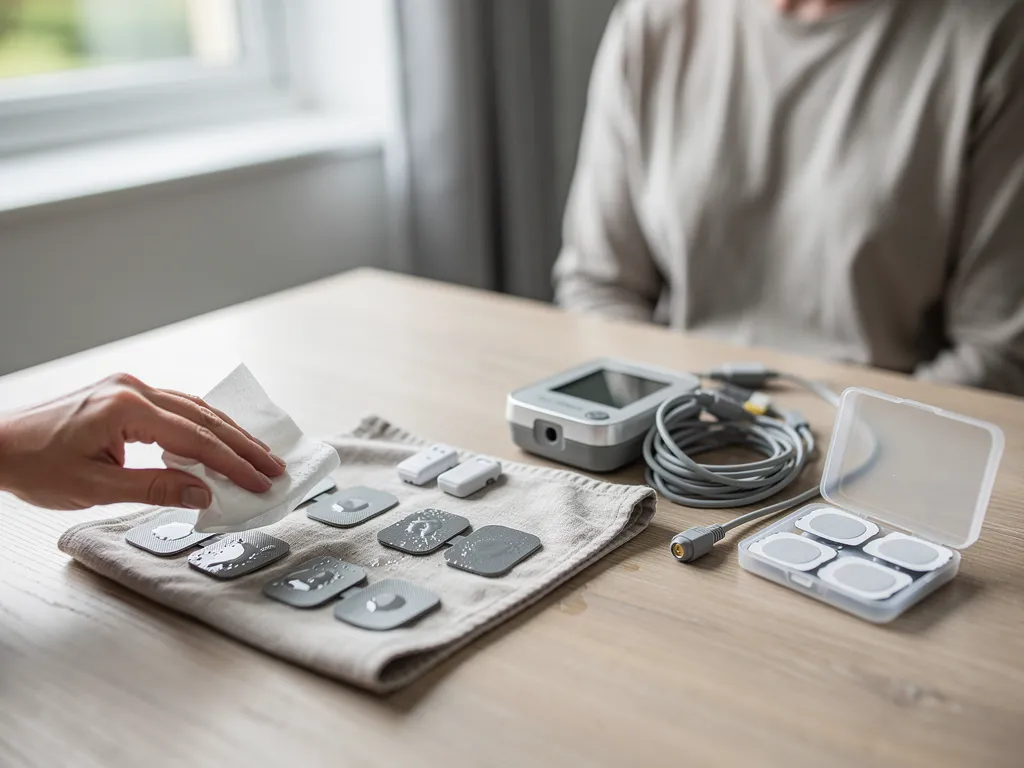
Proper maintenance is vital for ensuring that TENS machines and accessories function optimally:
- Maintenance Schedules: Establish a regular cleaning routine for electrodes; inspect for wear and tear.
- Inspection Steps: Check adhesive quality and electrode integrity before every session to maximise effectiveness.
- Replacement Recommendations: Plan for regular electrode replacements to maintain consistent performance and safety.
Implementing these practices ensures that TENS therapy can be enjoyed with confidence and security.
Where Can Users Access Up-to-Date Clinical Guidelines and Support?

Staying informed about TENS therapy enhances safety and efficacy. Users should consider reputable sources for guidance:
- Medical Institutions: Trustworthy hospitals and clinics often publish guidelines related to TENS use.
- Professional Associations: Organisations specialising in pain management frequently provide resources and updates concerning electrical stimulation therapy.
- Healthcare Providers: Consulting with healthcare professionals ensures access to the latest clinical advice tailored to individual needs.
Staying connected with reliable sources allows users to adjust their practices based on current clinical insights.
Which UK Health Authorities Provide Trusted TENS Therapy Resources?
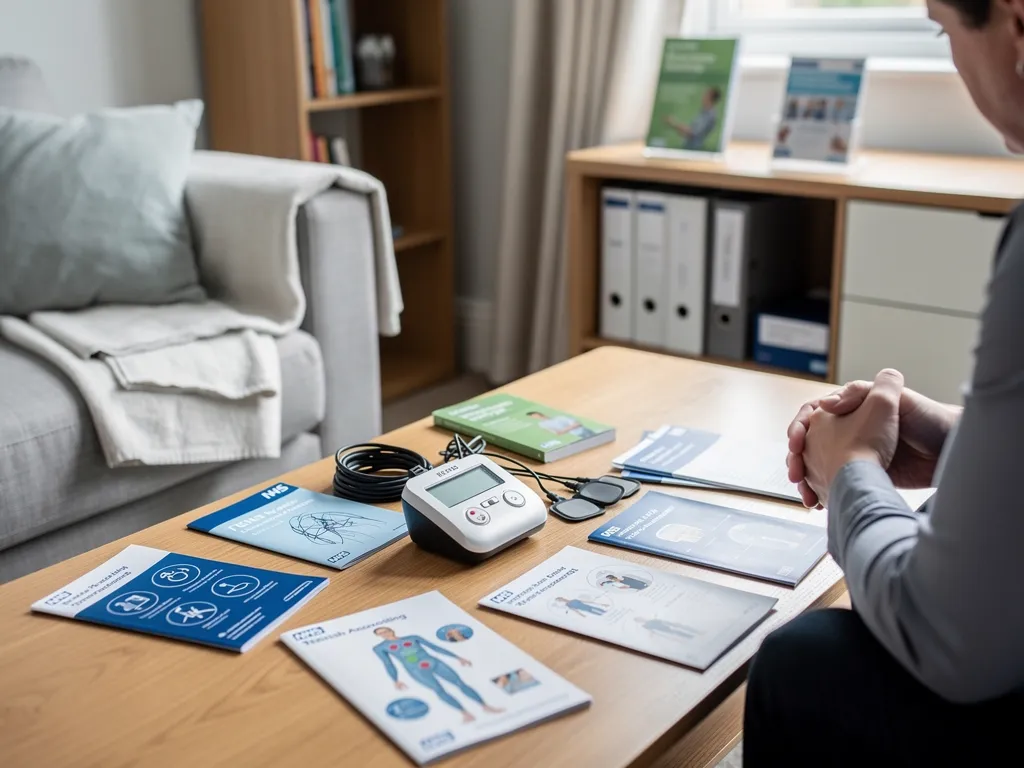
Several UK health authorities offer valuable resources concerning TENS therapy, creating a foundation for informed use.
- NHS Guidance: The National Health Service provides comprehensive advice on pain management options, including TENS.
- Pain Management Associations: Groups focusing on chronic pain often have curated resources related to the usage of devices like TENS.
Leveraging these resources ensures users are aligned with established best practices for TENS therapy.
How Can Patients and Professionals Stay Informed of Latest Safety Updates?
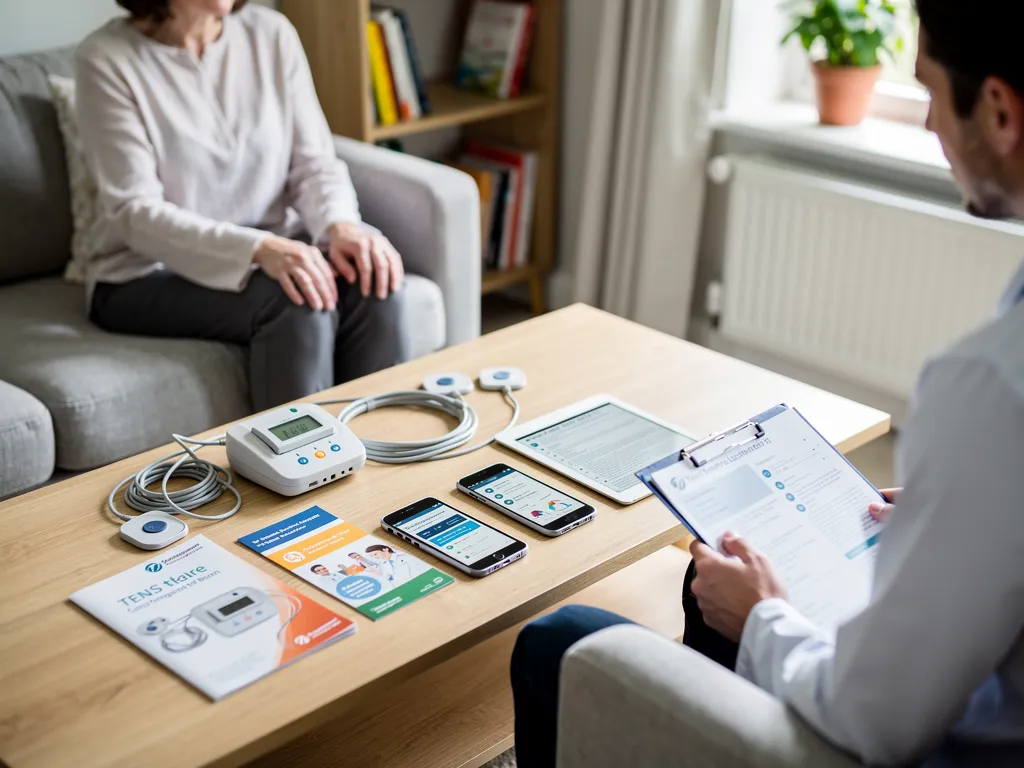
Proactively remaining updated on safety considerations for TENS therapy involves utilising various channels:
- Professional Organisations: Regularly check for bulletins or newsletters from societies focused on pain management.
- Online Forums: Engage with communities discussing TENS therapy to exchange experiences and newfound insights.
- Healthcare Consultations: Schedule routine check-ins with providers knowledgeable about TENS developments.
This strategy will help both patients and healthcare providers remain vigilant and knowledgeable regarding ongoing safety practices and updates in TENS therapy.
Frequently Asked Questions
Is it safe to use a TENS machine every day?
Many people use TENS machines daily, but sessions should follow guidance from a healthcare professional and include scheduled breaks to prevent skin irritation. Continuous, uninterrupted use is not recommended.
Who should avoid using a TENS machine?
TENS therapy is generally not recommended for people who are pregnant, have epilepsy, have a cardiac pacemaker or other implanted medical device, or have certain skin infections, without first consulting a healthcare provider.
How long should a TENS session last?
A typical TENS session lasts between 20 and 60 minutes, depending on the individual's needs and the area being treated. Intensity should always be adjusted to a comfortable level.
Where should electrodes be placed for best results?
Electrode placement depends on the pain region. For example, lower back pain is typically treated with electrodes placed either side of the spine, while shoulder pain often responds well to a triangular placement around the area of tension.
Can a TENS machine be used instead of ultrasound therapy?
TENS and ultrasound therapy work differently. TENS is well suited to general pain relief through nerve stimulation, while ultrasound may be preferred for deep tissue treatment or reducing inflammation. A healthcare provider can advise on the best option for a specific condition.
Conclusion
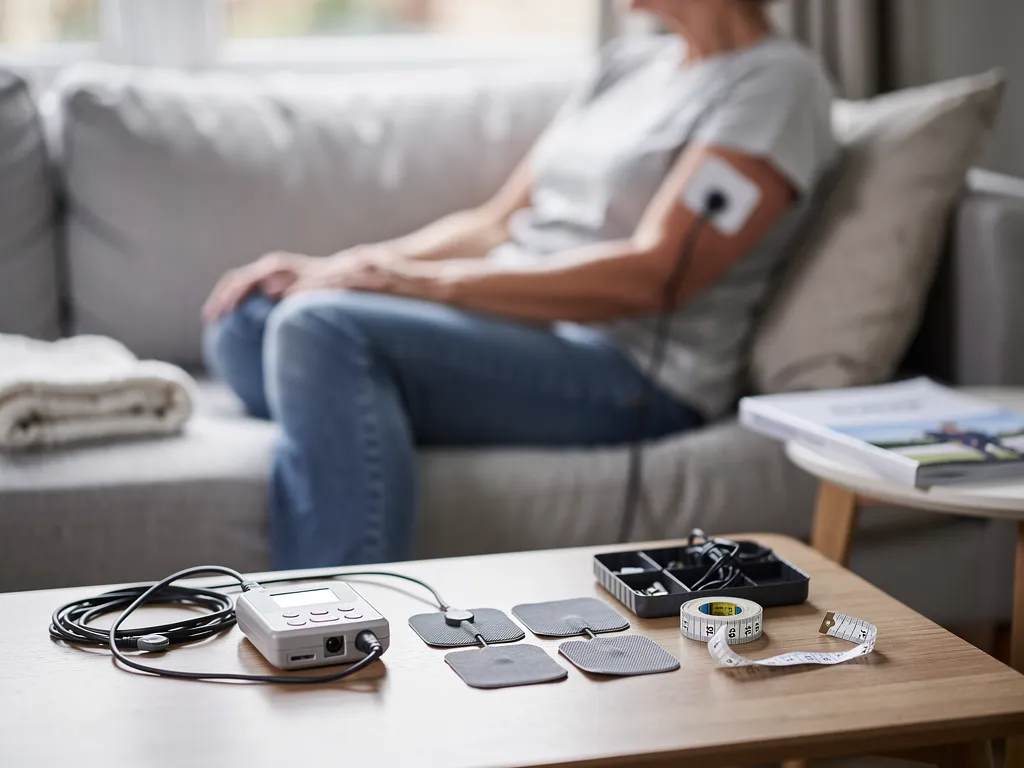
Safe and effective use of TENS therapy comes down to preparation, awareness, and consistency. Understanding the essential safety guidelines, recognising contraindications, and placing electrodes correctly all help ensure that pain relief is achieved without unnecessary risk. Equally, choosing a well-made device, maintaining it properly, and staying connected to trusted sources such as the NHS and healthcare providers keeps users informed as guidance evolves. With these principles in mind, patients and professionals alike can approach TENS therapy with confidence, using it as a safe, drug-free addition to a broader pain management plan.
Questions About TENS Therapy?
Our team is on hand to help you choose the right device and get the most from your treatment. Email sales@tensproducts.co.uk for friendly, informed advice.