EMS Massage: Comprehensive Guide to Electronic Muscle Stimulation for Foot Pain Relief and Muscle Recovery
EMS Massage: Comprehensive Guide to Electronic Muscle Stimulation for Foot Pain Relief and Muscle Recovery

Electronic Muscle Stimulation (EMS) massage is an innovative therapy that utilises electrical impulses to stimulate muscle contractions, providing a range of benefits for foot pain relief, pain management, and muscle recovery. This comprehensive guide will delve into the mechanisms of EMS technology, its advantages, and how it can be effectively used for therapeutic purposes. Many individuals experience discomfort in their feet due to various factors, including prolonged standing, athletic activities, or underlying health conditions such as diseases affecting nerves or muscles. EMS massage offers a promising solution by enhancing blood circulation, reducing muscle fatigue, and promoting overall wellness. In this article, we will explore the workings of EMS technology, its benefits, types of EMS foot massagers available, safe usage guidelines, and where to find reliable products, including those with USB charging and remote control features.
Indeed, many experts highlight EMS and TENS therapy as a powerful, drug-free solution for common foot ailments and pain management.
EMS & TENS Therapy for Foot Pain Relief
As a physical therapist specialising in mountain athletes and active individuals, I see foot pain complaints constantly. Whether you're a weekend warrior crushing trails, a runner logging miles, or just someone dealing with chronic conditions like neuropathy or plantar fasciitis, foot pain can derail your entire routine. The good news? TENS (Transcutaneous Electrical Nerve Stimulation) and EMS (Electrical Muscle Stimulation) therapy offers a powerful, drug-free solution that you can use right from home.
Step Into Relief: How TENS/EMS Therapy Can Transform Your Foot Pain
What is EMS Massage and How Does Electronic Muscle Stimulation Work?
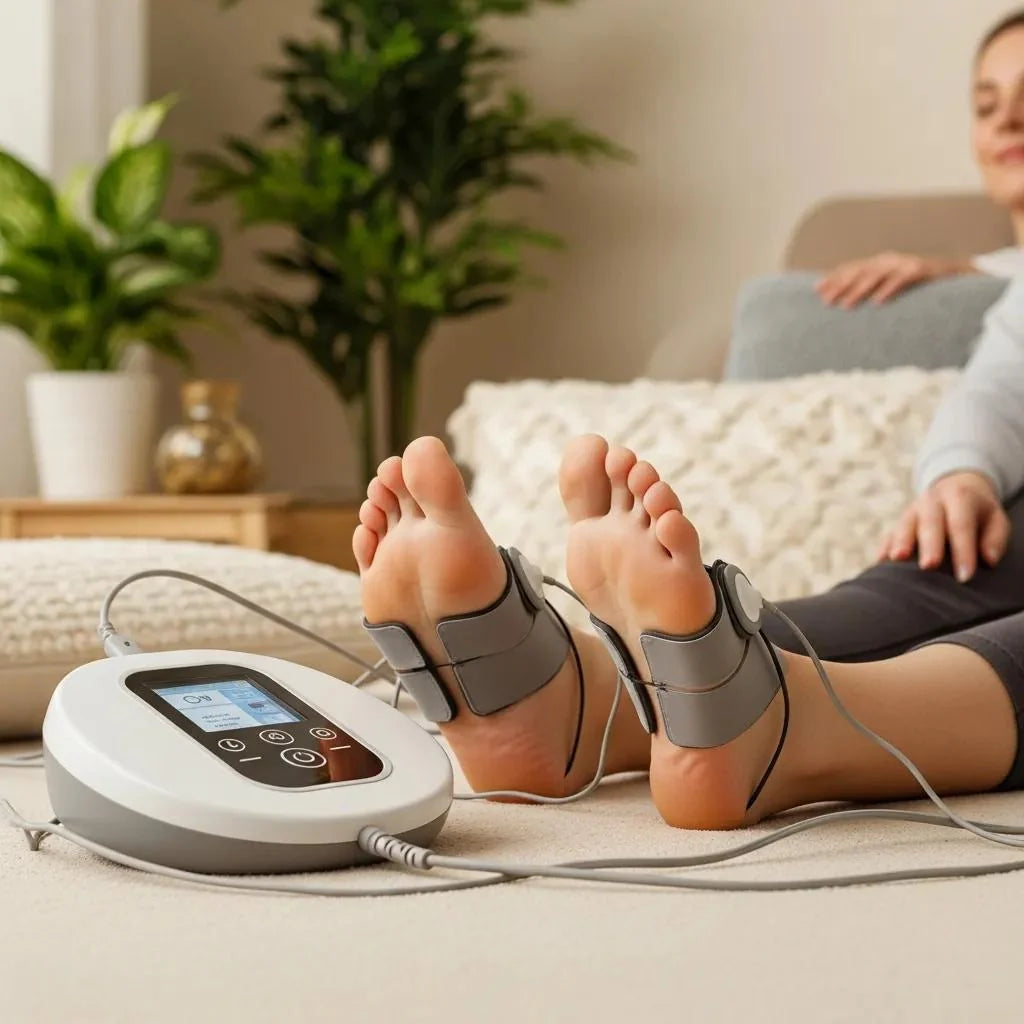
EMS massage is a therapeutic technique that employs electrical impulses to stimulate muscle contractions, mimicking the natural process of muscle movement. This technology works by sending electrical signals through electrodes placed on the skin, which activate the underlying muscles. The contractions help improve muscle strength, enhance blood flow, and facilitate recovery. EMS is particularly effective for targeting specific muscle groups, including those in the ankle and leg, making it a valuable tool for rehabilitation, pain management, and reflexology.
Understanding EMS Technology and Muscle Stimulation Mechanisms
The core of EMS technology lies in its ability to deliver controlled electrical impulses to the muscles. These impulses trigger muscle contractions, which can be adjusted in intensity and duration based on individual needs. The stimulation promotes increased blood circulation, delivering essential nutrients and oxygen to the muscles while aiding in the removal of metabolic waste. This process not only enhances muscle recovery and endurance but also contributes to pain relief by reducing inflammation and promoting relaxation. Some EMS devices incorporate acupuncture-like stimulation patterns to further enhance therapeutic effects.
How EMS Targets Foot Muscles for Effective Therapy
EMS specifically targets the muscles in the feet, including the plantar muscles and those supporting the arches. By focusing on these areas, EMS therapy can alleviate discomfort associated with conditions such as plantar fasciitis and general muscle fatigue. The targeted contractions help to strengthen the foot muscles, improve flexibility, and enhance overall foot function. Compared to traditional massage techniques, EMS offers a more precise approach to muscle stimulation, making it an effective option for those seeking relief from foot pain and related nerve issues.
What Are the Benefits of EMS Foot Massage for Pain Relief and Circulation?

The benefits of EMS foot massage extend beyond mere relaxation; they encompass significant improvements in pain relief, circulation, and endurance. Research indicates that EMS therapy can effectively reduce pain levels and enhance recovery times for athletes and individuals with chronic foot conditions. By promoting blood flow, EMS helps to nourish the muscles and tissues, facilitating faster healing and reducing the risk of injury. Additionally, EMS devices with USB charging and remote control options provide convenient and customisable therapy sessions.
Scientific Evidence Supporting EMS Therapy for Foot Pain and Muscle Recovery
Numerous studies have demonstrated the efficacy of EMS therapy in managing foot pain and aiding muscle recovery. For instance, some clinical studies suggest that participants using EMS devices report reductions in pain levels associated with chronic foot conditions. Additionally, EMS has been shown to enhance muscle recovery post-exercise, with athletes experiencing less soreness and quicker return to peak performance levels.
A broader review of electrical stimulation devices further confirms their potential to reduce pain and improve overall function.
Electrical Stimulation for Pain & Function
Multiple forms of electrical stimulation (ES) potentially offer widely varying clinical benefits. Diminished function commonly associated with acute and chronic pain lessens productivity and increases medical costs. This review aims to compare the relative effects of various forms of ES on functional and pain outcomes.
Do electrical stimulation devices reduce pain and improve function?—a comparative review, TK Williamson, 2023
How EMS Improves Blood Circulation and Reduces Muscle Fatigue
EMS therapy significantly improves blood circulation by stimulating the muscles, which in turn promotes vasodilation and increases blood flow to the affected areas. This enhanced circulation helps deliver oxygen and nutrients more efficiently, reducing muscle fatigue and promoting quicker recovery. Furthermore, the rhythmic contractions induced by EMS can help alleviate tension and stiffness in the muscles, contributing to overall comfort and well-being.
Further research supports the notion that neuromuscular electrical stimulation can significantly enhance peripheral blood circulation, particularly in the feet and legs.
NMES Enhances Foot Blood Circulation
This study aimed to investigate whether a single session of neuromuscular electrical stimulation (NMES) can enhance vascular endothelial function and peripheral blood circulation in patients with acute myocardial infarction (AMI). Thirty-four male patients with AMI were alternately assigned to 2 groups, and received NMES with muscle contraction (NMES group, n=17) or without muscle contraction (control group, n=17) after admission. NMES was performed for quadriceps and gastrocnemius muscles of both legs for 30 minutes. We measured systolic blood pressure as a parameter of cardiovascular responses and the low-frequency component of blood pressure variability as an index of sympathetic activity. Reactive hyperemia peripheral arterial tonometry (RH-PAT) index and transcutaneous oxygen pressure in foot (Foot-tcPO2) were also measured as parameters of vascular endothelial function and peripheral blood circulation, respectively.
A single session of neuromuscular electrical stimulation enhances vascular endothelial function and peripheral blood circulation in patients with acute myocardial …, S Tanaka, 2016
Which Types of EMS Foot Massagers Are Available and How Do They Compare?

When considering EMS foot massagers, various types are available, each offering unique features and benefits. Understanding these differences can help users select the most suitable device for their needs, including considerations of price and functionality such as USB charging and remote control operation.
Wireless vs. Portable EMS Foot Massager Features and Benefits
Wireless EMS foot massagers provide the convenience of mobility, allowing users to enjoy therapy without being tethered to a power source. These devices often come with rechargeable batteries and various intensity settings, making them ideal for use at home or on the go. In contrast, portable EMS foot massagers are designed for easy transport and may include features such as adjustable straps for secure placement. Both options offer effective muscle stimulation, but the choice depends on individual preferences for convenience and usability.
Comparing EMS Devices: Brands, Models, and Therapy Functions
Different brands and models of EMS foot massagers offer varying features, such as programmable settings, multiple therapy modes, and user-friendly interfaces. For instance, some devices may focus on specific therapy functions like pain relief or muscle recovery, while others provide a combination of both. Users should consider their specific needs and preferences when selecting an EMS device, ensuring it aligns with their therapeutic goals and budget.
| Brand | Model | Key Features |
|---|---|---|
| Brand A | Model X | Wireless, multiple intensity levels, portable, USB charging |
| Brand B | Model Y | Adjustable settings, built-in timer, compact design, remote control |
| Brand C | Model Z | Rechargeable, user-friendly interface, various modes, reflexology and acupuncture functions |
This comparison highlights the diversity of EMS foot massagers available, allowing users to make informed decisions based on their requirements, including price and desired features.
How to Use EMS Foot Massagers Safely and Effectively?
Using EMS foot massagers can be a straightforward process, but it is essential to follow safety guidelines to maximise benefits and minimise risks, especially considering potential adverse effects.
Step-by-Step Usage Instructions for EMS Muscle Stimulation Therapy
- Preparation: Ensure the device is charged or plugged in, and read the user manual for specific instructions.
- Placement: Position the electrodes on the targeted areas of the feet, ankles, or legs, ensuring good contact with the skin.
- Settings: Start with a low intensity and gradually increase to a comfortable level, allowing the muscles to adapt to the stimulation.
- Duration: Use the device for the recommended duration, typically 15-30 minutes, depending on individual tolerance and device specifications.
- Post-Usage Care: After use, remove the electrodes gently and clean the skin to prevent irritation.
Safety Guidelines and Precautions for EMS Device Users
While EMS therapy is generally safe, certain precautions should be observed. Individuals with pacemakers, heart conditions, epilepsy, or other medical conditions should consult a healthcare professional before using EMS devices. Additionally, users should avoid placing electrodes on broken skin or areas with reduced sensation. Pregnant women and those with certain diseases should also seek medical advice prior to use. Following these guidelines ensures a safe and effective EMS experience with minimal risk of adverse effects.
What Are Common Questions About EMS Foot Massage?
As EMS foot massage gains popularity, several common questions arise regarding its safety and effectiveness compared to traditional methods.
Are EMS Foot Massagers Safe for Everyone?
EMS foot massagers are safe for most individuals; however, certain populations should exercise caution. Pregnant women, individuals with heart conditions, or those with skin sensitivities should consult a healthcare provider before using EMS devices. Research indicates that when used appropriately, EMS therapy poses minimal risks and can provide significant benefits.
How Does EMS Therapy Compare to Traditional Foot Massagers?
EMS therapy differs from traditional foot massage techniques by focusing on muscle stimulation rather than surface-level relaxation. While traditional massagers may provide temporary relief, EMS offers deeper muscle engagement, promoting recovery and pain relief. Users often report longer-lasting benefits from EMS therapy, making it a valuable addition to their wellness routines, including reflexology and acupuncture-inspired treatments.
Where to Find Reliable EMS Foot Massagers and User Testimonials?
Finding high-quality EMS foot massagers is crucial for ensuring effective therapy. Several reputable brands and retailers offer a range of options to suit different needs, including those available in the United Kingdom and other regions.
Top Brands and Online Retailers for EMS Foot Massage Devices
When searching for EMS foot massagers, consider well-known brands that prioritise quality and customer satisfaction. Online retailers often provide user reviews and ratings, helping potential buyers make informed decisions. Look for brands that offer warranties and customer support to ensure a positive purchasing experience. Pay attention to price and features such as USB charging and remote control for convenience.
User Reviews and Case Studies on EMS Therapy Effectiveness
User testimonials play a vital role in understanding the effectiveness of EMS therapy. Many users report significant improvements in foot pain and muscle recovery after consistent use of EMS devices. Case studies highlight the positive impact of EMS therapy on various conditions, reinforcing its value as a therapeutic tool.
In conclusion, EMS massage represents a powerful approach to foot pain relief, pain management, and muscle recovery. By understanding the technology, benefits, and safe usage of EMS foot massagers, individuals can make informed choices to enhance their wellness journey.
Frequently Asked Questions
Can EMS therapy be used for conditions other than foot pain?
Yes, EMS therapy is versatile and can be beneficial for various conditions beyond foot pain. It is commonly used for muscle recovery, rehabilitation after injuries, and even in physical therapy for conditions affecting other parts of the body, such as the back and legs. Additionally, EMS can help improve muscle strength and endurance, making it a valuable tool for athletes and individuals looking to enhance their overall fitness and recovery processes.
How often should I use an EMS foot massager for optimal results?
For optimal results, it is generally recommended to use an EMS foot massager 2 to 3 times a week. However, the frequency can vary based on individual needs and the severity of foot pain or muscle fatigue. Some users may benefit from daily sessions, especially after intense physical activity. It’s important to listen to your body and adjust the frequency and duration of use according to your comfort and therapeutic goals.
Are there any side effects associated with EMS therapy?
While EMS therapy is generally safe, some users may experience mild side effects such as skin irritation, muscle soreness, or discomfort during the initial sessions. These effects are usually temporary and can be minimized by adjusting the intensity settings and ensuring proper electrode placement. Individuals with certain medical conditions, such as heart issues or skin sensitivities, should consult a healthcare professional before using EMS devices to avoid potential complications.
What should I look for when purchasing an EMS foot massager?
When purchasing an EMS foot massager, consider factors such as the device's features, intensity levels, and ease of use. Look for models with adjustable settings, programmable modes, and user-friendly interfaces. Additionally, check for portability options like USB charging and remote control functionality. Reading user reviews and comparing different brands can also help you find a reliable product that meets your therapeutic needs and budget.
Can EMS therapy help with circulation issues?
Yes, EMS therapy is known to significantly improve blood circulation. By stimulating muscle contractions, EMS promotes vasodilation and enhances blood flow to the targeted areas, which can be particularly beneficial for individuals experiencing circulation issues. Improved circulation helps deliver essential nutrients and oxygen to the muscles while aiding in the removal of metabolic waste, contributing to overall foot health and recovery.
Is EMS therapy suitable for athletes during training?
Absolutely! EMS therapy is widely used by athletes as a complementary training tool. It helps enhance muscle recovery, reduce soreness, and improve overall performance. By incorporating EMS into their training regimen, athletes can experience quicker recovery times and maintain muscle strength, allowing them to train more effectively. However, it should be used in conjunction with other training methods and not as a sole replacement for traditional exercise.