Targeted Healing: Therapeutic Ultrasound for Tennis and Golfer's Elbow Pain Relief
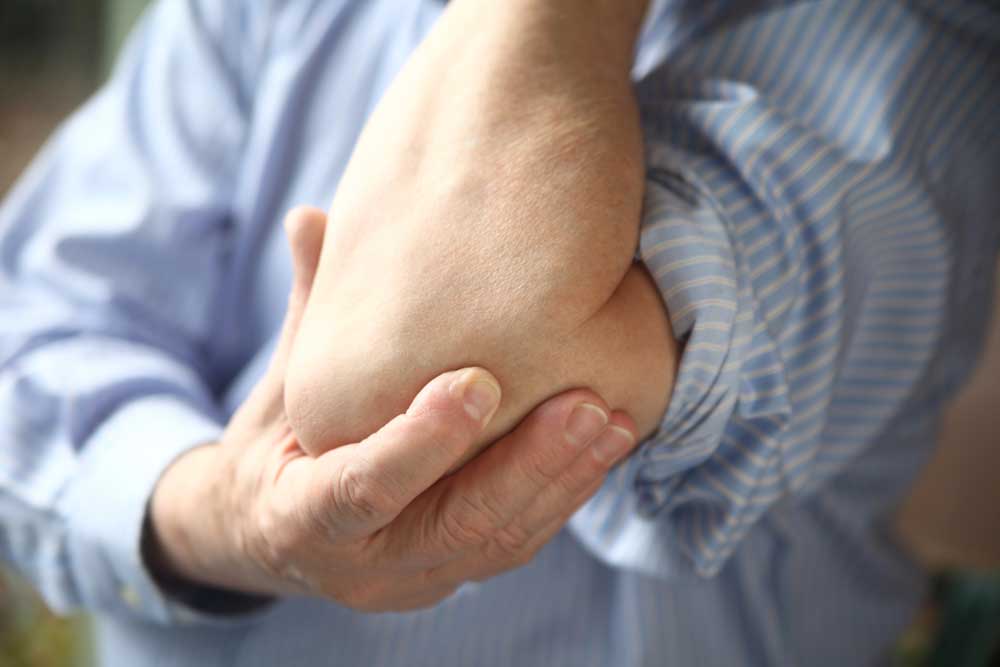
Elbow pain can be more than just a nuisance; for athletes and professionals alike, it can be a significant barrier to daily activity. Whether it's Tennis Elbow (Lateral Epicondylitis) or Golfer's Elbow (Medial Epicondylitis), these conditions stem from the same root cause: overuse and micro-tears in the tendons that connect your forearm muscles to the bone.
While rest and ice are common first steps, Therapeutic Ultrasound has become a cornerstone of clinical treatment for accelerating the healing process and providing long-term relief.
What is Therapeutic Ultrasound?
Unlike the diagnostic ultrasound used to see a baby during pregnancy, therapeutic ultrasound uses high-frequency sound waves to treat deep tissue injuries. It works through two primary mechanisms:
- Thermal Effects: The sound waves create deep heat within the tendons. This increases blood flow, relaxes muscle spasms, and makes the connective tissue more flexible.
- Mechanical (Non-Thermal) Effects: The vibrations cause "cavitation"—the rapid expansion and contraction of microscopic gas bubbles in the tissue. This process speeds up cellular metabolism and promotes the repair of damaged tendon fibers.
Effectiveness for Elbow Pain
Clinical research consistently highlights the benefits of ultrasound for epicondylitis, particularly when combined with a structured exercise program:
| Benefit | How it Helps |
|---|---|
| Pain Reduction | Significant decrease in localised pain during the acute and sub-acute phases. |
| Accelerated Healing | Stimulates the production of collagen, the primary building block of tendons. |
| Reduced Inflammation | Helps clear out inflammatory byproducts and reduces swelling in the tendon sheath. |
| Improved Grip Strength | By reducing pain and promoting fiber alignment, users often see a return of functional strength. |
Usage Instructions and Best Practices
To achieve the best results, the application must be precise. Here is how therapeutic ultrasound is typically administered for elbow conditions.
1. Identifying the Target Area
- Tennis Elbow: Focus on the lateral epicondyle—the bony bump on the outside of your elbow.
- Golfer's Elbow: Focus on the medial epicondyle—the bony bump on the inside of your elbow.
2. Recommended Settings
Frequency: 3 MHz is generally preferred for elbow tendons as they are superficial (close to the skin).
Duty Cycle:
- Pulsed (20-50%): Best for acute inflammation to avoid overheating.
- Continuous (100%): Used for chronic conditions to break up scar tissue.
Intensity: Typically 0.5 to 1.5 W/cm². It should feel like a mild, soothing warmth.
3. Application Technique
- Ultrasound Gel: A generous amount of conductive gel is essential for the sound waves to enter the body.
- Constant Motion: The ultrasound head must be kept in constant, slow circular motions to avoid "standing waves" and tissue burns.
- Duration: 5–10 minutes per session, 2–3 times per week for 4–6 weeks.
Safety and Contraindications
Important: Do not use ultrasound over areas with decreased sensation, malignant tumors, metal implants, or acute infections.
Always consult with a qualified physiotherapist or healthcare provider before starting ultrasound therapy to ensure it is appropriate for your specific injury.
Conclusion
Therapeutic ultrasound offers a non-invasive, drug-free pathway to recovery for those struggling with the persistent pain of tennis or golfer's elbow. By combining the deep-heating benefits of sound waves with targeted rehabilitation exercises, you can move past the "wait and see" approach and actively participate in your own healing.