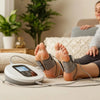
TENS Therapy for Fibromyalgia: Unlocking Pain Relief and Boosting Mobility

Plantar fasciitis is one of the most common causes of heel pain, affecting millions of people worldwide. Characterised by sharp, stabbing pain—especially during those first steps in the morning—it occurs when the thick band of tissue (the plantar fascia) that connects your heel bone to your toes becomes inflamed or strained.
While stretching, orthotics, and rest are standard treatments, Transcutaneous Electrical Nerve Stimulation (TENS) has emerged as a powerful, non-invasive tool to manage the debilitating pain and accelerate recovery.
How TENS Works for Plantar Fasciitis
A TENS machine works by sending low-voltage electrical pulses through the skin to the nerves. For plantar fasciitis, it provides relief through three primary pathways:
- Pain Signal Interruption: High-frequency pulses interfere with the pain signals traveling to the brain, effectively "blocking" the sensation of pain.
- Endorphin Stimulation: Low-frequency pulses trigger the body's natural production of endorphins, which act as natural painkillers.
- Improved Circulation: The electrical stimulation can promote blood flow to the foot, which is essential for healing the micro-tears in the plantar fascia.
Clinical Effectiveness
Research into electrotherapy for foot pain has shown promising results for those suffering from chronic plantar fasciitis:
| Benefit | Description |
|---|---|
| Pain Reduction | Studies have shown significant improvements in pain scores after 4 weeks of consistent use. |
| Functional Mobility | Users often report better tolerance for walking and standing after treatment sessions. |
| Inflammation Control | By boosting local circulation, TENS may help reduce the chronic inflammation associated with the condition. |
| Non-Invasive | Offers a drug-free alternative to corticosteroid injections or long-term NSAID use. |
Step-by-Step Usage Instructions
To get the most out of your TENS unit for plantar fasciitis, follow these specific placement and setting guidelines.
1. Electrode Placement
Proper pad placement is critical for targeting the plantar fascia. There are two common methods:
- The "Linear" Method: Place one pad on the bottom of your heel (where the pain is most intense) and the second pad at the base of your toes (near the ball of the foot).
- The "Surround" Method: Place two pads on either side of the heel bone. This is often more effective for localised, intense heel spurs.
- Alternative: Consider using conductive socks or slippers that provide uniform stimulation across the entire foot.
2. Recommended Settings
Frequency:
- For immediate relief, use a high frequency (80–120 Hz).
- For long-term healing, research suggests a lower frequency (2–5 Hz) may be more effective for chronic foot pain.
Intensity: Increase until you feel a strong but comfortable tingling. It should never be painful.
3. Duration
Aim for 20–30 minutes per session, 1–2 times daily. It is particularly effective first thing in the morning or after long periods of standing.
Safety and Best Practices
Contraindications: Do not use TENS if you have a pacemaker, are pregnant, or have epilepsy. Avoid placing pads over open wounds or areas with poor sensation (common in some diabetic patients).
- Clean Skin: Always wash and dry your feet before applying pads to ensure good contact.
- Avoid Water: Never use a TENS machine in the shower or with wet feet.
- Combine Treatments: TENS is most effective when used alongside calf stretches, proper footwear, and rest.
Conclusion
Plantar fasciitis doesn't have to keep you off your feet. By integrating TENS therapy into your daily routine, you can manage pain more effectively and support your body's natural healing process. Consult with your healthcare provider to see if TENS is the right addition to your recovery plan.